
Getting Started with STEM: A Parent's Guide
Understand what STEM really means and how to support your child's learning without pressure.
Read MoreFrom painting and sculpture to music and drama, creative arts develop confidence and expression. We break down different courses and what to expect.
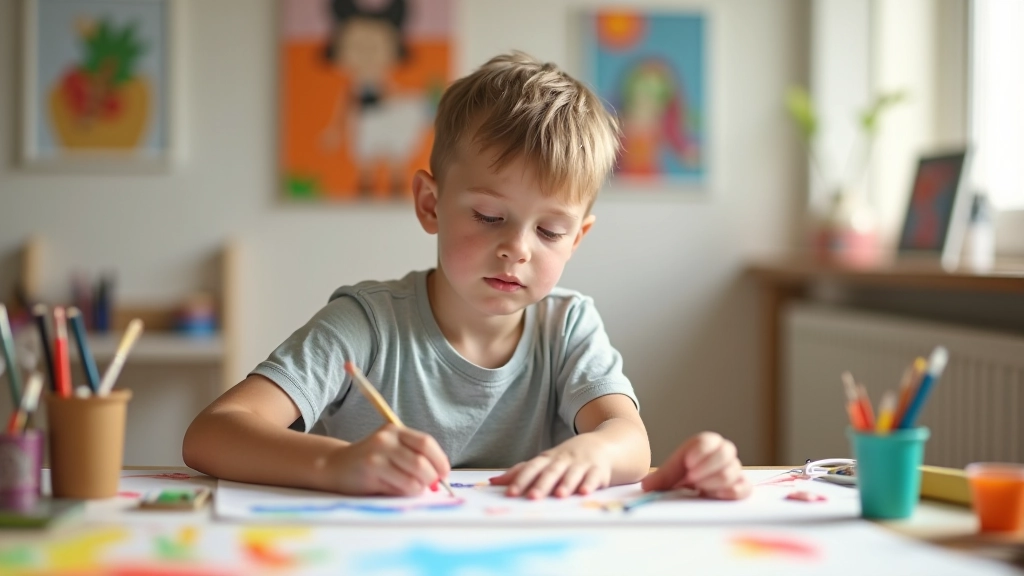
Kids aren't born knowing what they're passionate about. That's the whole point of exploration. Creative arts courses offer something different from typical academics — they're spaces where children can experiment, make mistakes without judgment, and discover what actually excites them.
Whether your child loves getting messy with paint or prefers the precision of sculpting clay, whether they're drawn to performing on stage or creating behind the scenes, there's a creative path worth exploring. We've seen quiet kids find their voice through drama. We've watched anxious children build genuine confidence through art exhibitions. We've met musicians who'd never touched an instrument before their first lesson.
The thing is, creative development isn't just about producing pretty artwork or polished performances. It's about building resilience, learning to trust your instincts, and understanding that your ideas matter. That's valuable whether your child becomes an artist or not.
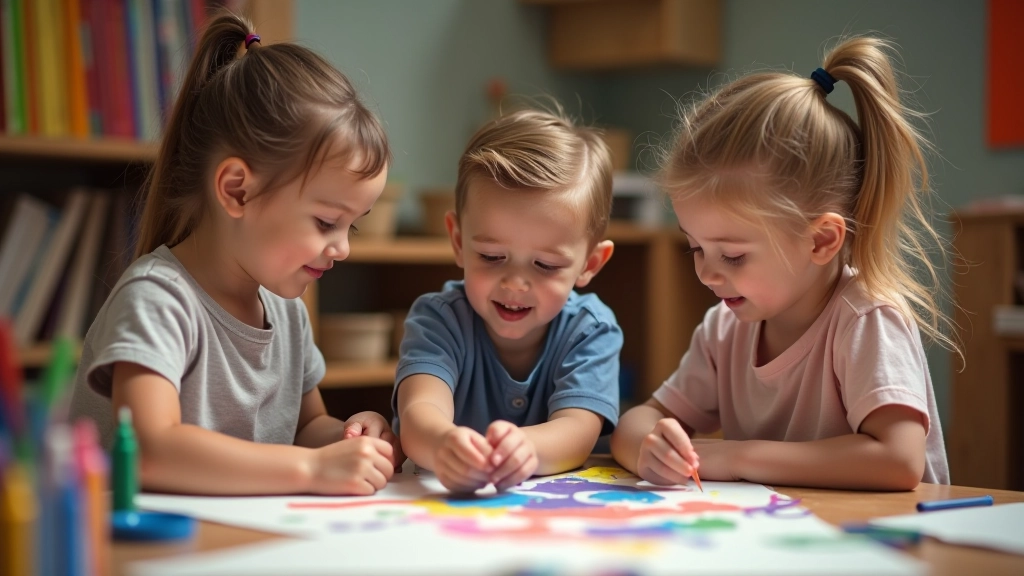
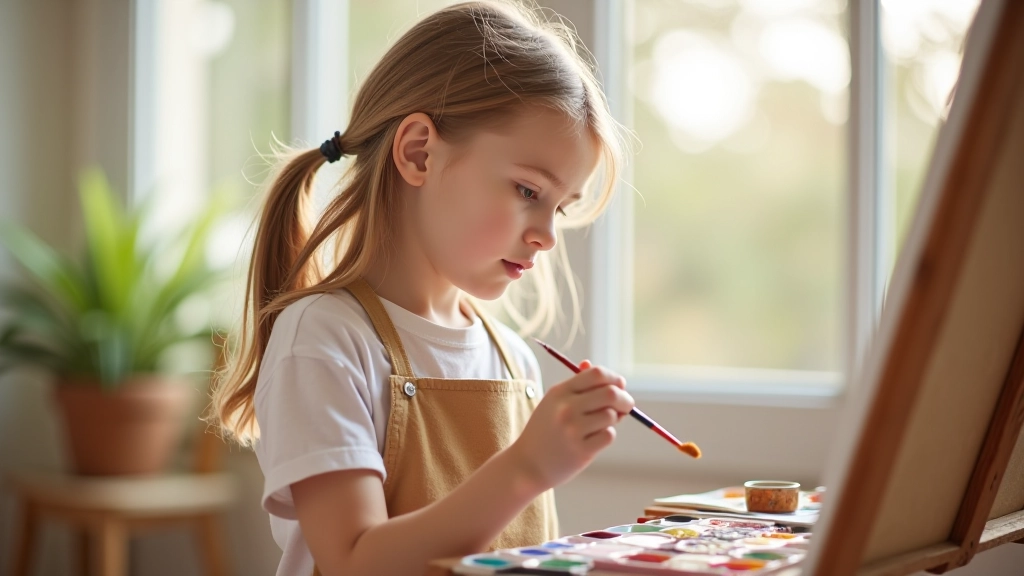
Painting courses usually start simple. You're learning about colour mixing, brush control, and basic composition — but honestly, most good instructors don't dwell on theory for long. They get kids painting quickly because that's where the actual learning happens.
Most beginner courses run 8-12 weeks, meeting once a week for 90 minutes. That's enough time to try different mediums (watercolour, acrylics, oils) and develop some fundamental skills without feeling rushed. By week 6 or 7, you'll notice children starting to develop their own style — they'll stop copying the teacher's examples and start making real choices about their work.
What parents often don't realise: drawing ability isn't something you're born with. It's a skill that improves with practice, usually noticeably within the first 3-4 weeks. And kids find that genuinely motivating. They see progress, they want to keep going.
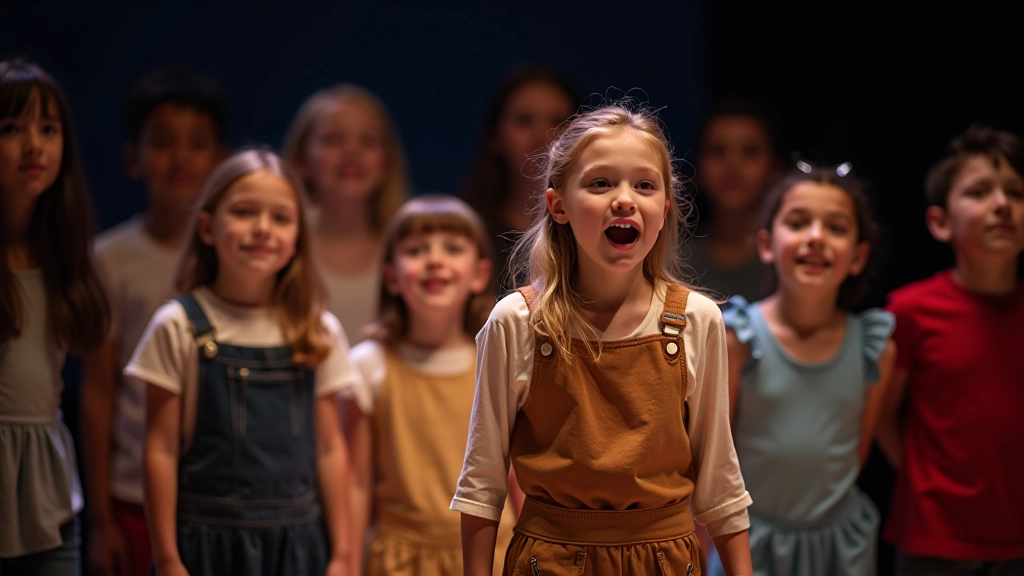
Drama courses intimidate some parents because they assume it means putting shy kids on stage. That's actually the opposite of how good drama teaching works. You're building confidence through games, improvisation, and character work — not forcing anyone into spotlight anxiety.
A typical session involves warm-up games (these are hilarious, honestly), improvisation exercises where kids invent scenes on the spot, and maybe some script work if it's an older group. The beauty is that there's no "right" way to play a character. Your child's interpretation is valid. That permission to be creative and take risks? It transfers to other parts of their life.
We've noticed that children who struggle with public speaking often find drama empowering. They're not being themselves — they're being someone else — which somehow makes it easier to speak up and take up space.
Real talk: Even if your child never performs in front of an audience, drama courses develop emotional intelligence, empathy, and the ability to communicate clearly. Those are life skills, not performance skills.
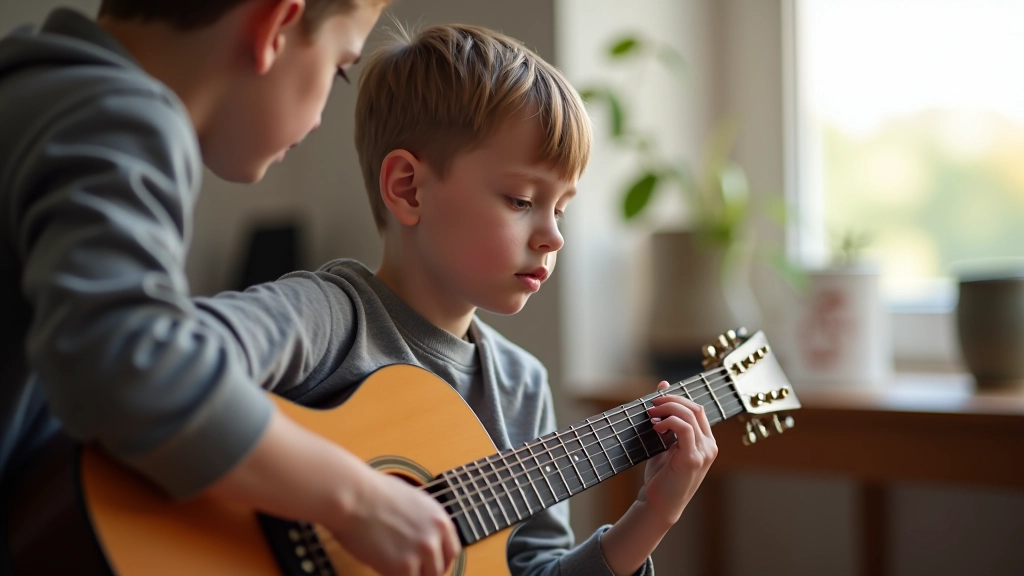
This is where parents get stuck. Piano or guitar? Strings or woodwinds? The honest answer: it doesn't matter as much as you think. Most kids who stick with an instrument do so because they like their teacher and they're making progress they can hear.
Beginner music lessons typically run 30-45 minutes once a week. That might sound short, but paired with practice at home (15-20 minutes most days), it's substantial. Within 8 weeks, a child learning piano or ukulele can play actual songs. That's the motivator right there — not scales, but real music.
One thing we've learned: group lessons work brilliantly for beginners who are nervous about one-on-one instruction. They're learning alongside peers, supporting each other, sometimes performing together. The social element makes it feel less like a test and more like a shared activity.
Piano and keyboards: clear visual layout, good for understanding music theory, immediate results.
Violin, cello, guitar: rewarding but require more patience initially, beautiful sound quality.
Drums, ukulele: rhythmic foundation, high engagement, fun group dynamics.
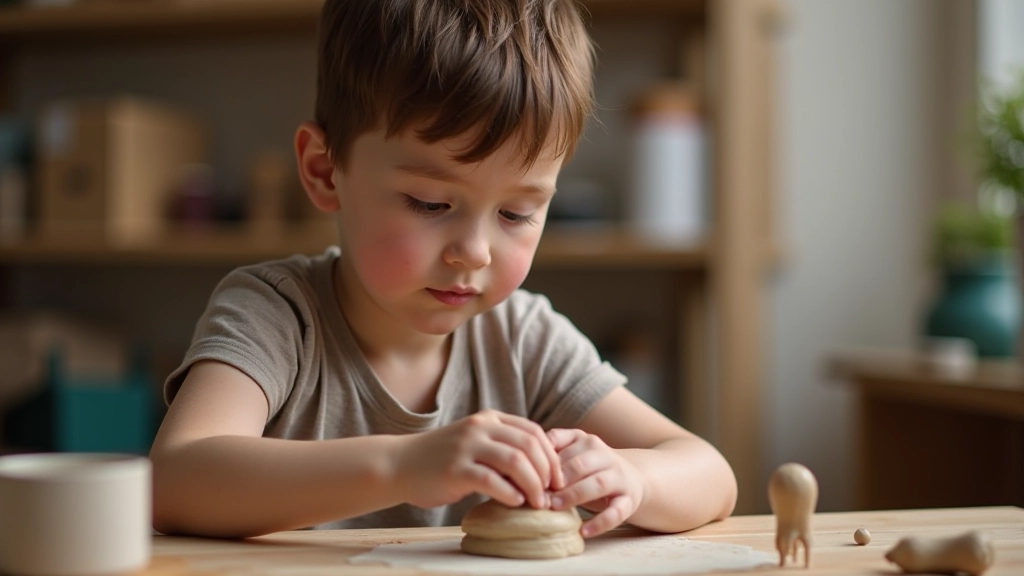
Sculpture courses are different because they're tactile in a way painting isn't. You're working with clay, stone, wood, or found materials — and the learning happens through your hands as much as your eyes. Some children absolutely thrive with this kind of learning.
Clay is the usual starting point. It's forgiving (you can reshape mistakes), responsive (you see results immediately), and satisfying. A typical session might involve creating hand-built forms, learning coiling and pinching techniques, and understanding how structure actually works. By week 4, kids are usually making pieces they're genuinely proud of.
What's interesting: sculpture courses often suit children who find flat paper intimidating. There's something about working in three dimensions that feels less judgmental. Your form doesn't have to look "realistic" — it just has to work.
Most sculpture courses include a kiln-firing component if they're clay-based, which means kids get to see their work transformed through heat. That's a genuinely magical moment for children.
Watch what they do when they're not being told what to do. Do they build things? Make up stories? Sing constantly? Move their body? That's your clue, not their stated interests.
Some kids focus better in one-on-one lessons. Others are more confident in group classes where they're not the centre of attention. Neither is wrong — it's just different.
Don't overcommit. One course per term is better than three. Quality practice and genuine interest beat rushed schedules every time.
Absolutely. A good teacher makes creative courses exciting. Ask for recommendations, watch a trial session if possible, trust your gut about whether they seem enthusiastic and patient.
Nerves and exploration. Kids are figuring out what they're doing, the environment feels new, they're learning basic skills and trying not to compare themselves to others.
Real progress. This is where confidence starts building. They can see they're getting better. They're starting to enjoy the process, not just anxious about performance.
Genuine engagement. They're making choices, developing their own style, maybe even excited to go to lessons. This is the sweet spot where learning feels natural.
Deepening skills and real artistry. They've moved past basics and into actual creative expression. This is where personal voice emerges.
The best time to try is now. Your child might discover a passion that shapes their teenage years or beyond. Or they might try it, enjoy it for a term, and move on to something else. Either way, they've learned something valuable about themselves.
Explore More Learning OptionsThis article provides general information about creative arts courses for educational purposes. Individual courses vary significantly by location, instructor, and programme structure. We recommend contacting local providers directly to discuss specific courses, schedules, and approaches that suit your child's needs. Every child develops at their own pace, and creative development looks different for everyone.