
Hands-On Learning: What Research Actually Shows
Why does learning by doing matter? We've pulled together the science behind hands-on education and how it affects long-term development and confidence.
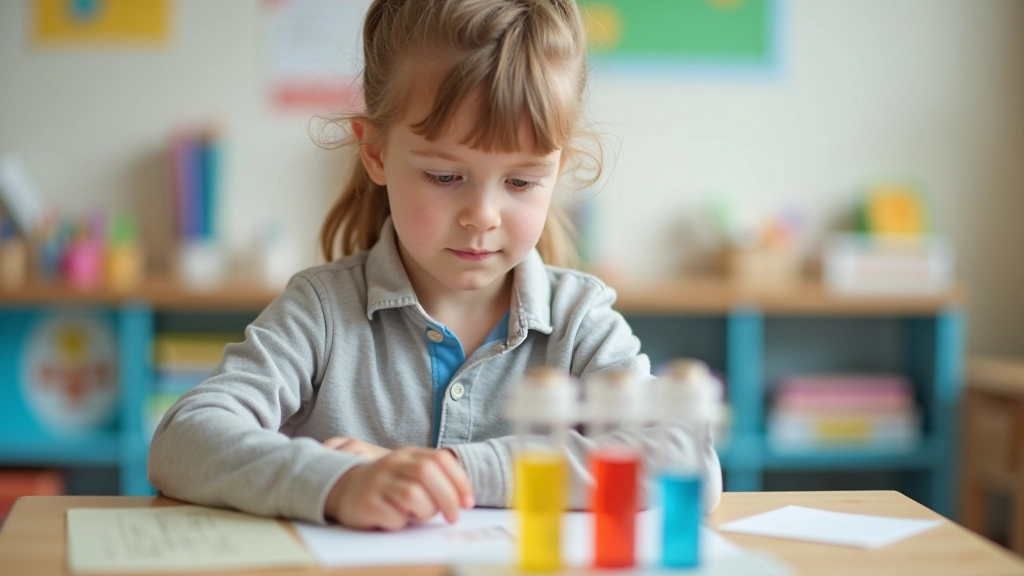
Why Your Child's Hands Matter More Than You Think
There's something that happens when kids actually build, create, and experiment. It's not just fun — it's where real learning sticks. Over the past two decades, research has shown us that hands-on learning isn't some trendy addition to education. It's fundamental to how children actually develop skills, confidence, and genuine understanding.
The difference between reading about how to throw a ball and actually throwing one isn't subtle. One creates neural pathways. The other creates memory that fades. Parents often ask us what really makes a difference, and the answer keeps coming back to the same thing: when children engage physically with what they're learning, everything changes.
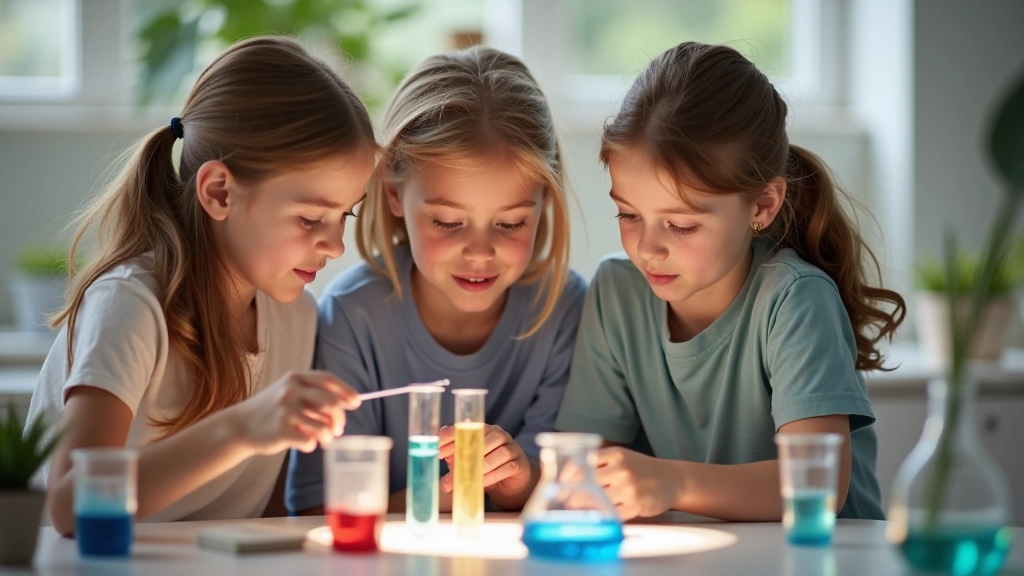
What the Research Actually Says
Let's look at the data. Studies from MIT, Cambridge, and numerous educational institutions have consistently shown that children who engage in hands-on learning retain information at rates 70-80% higher than those learning passively. But here's what's more interesting: they don't just remember facts. They understand relationships between ideas.
When a child builds a bridge out of straws and tape, they're not memorizing engineering principles. They're experiencing tension, compression, load-bearing, and failure in real time. When they fail — and they will — they troubleshoot. They iterate. They develop resilience. These aren't soft skills that show up on tests. They're the skills that actually matter in life.
The Neuroscience Bit: Motor learning activates more neural pathways than passive observation. When hands are involved, the brain creates richer memory encoding. This means the learning doesn't just stick — it connects to other knowledge in more meaningful ways.
The Confidence Connection
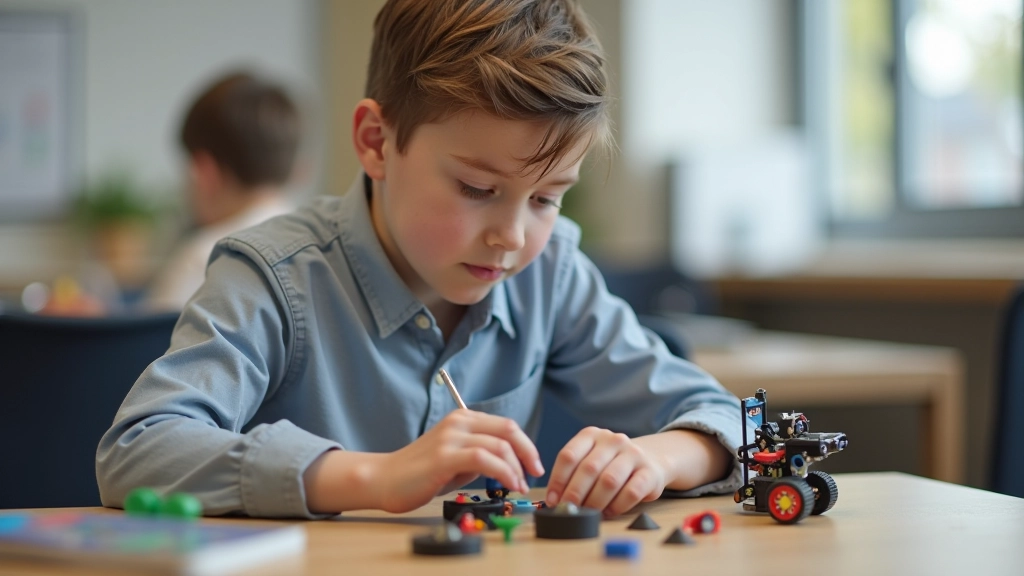
Here's something parents notice immediately: children who've done things tend to believe they can do more things. It sounds simple, but it's everything. A 10-year-old who's successfully completed a coding project views themselves differently than one who's read about coding. That shift in self-perception? That's where growth actually begins.
Over 8-12 weeks of consistent hands-on learning, we see measurable changes. Kids take more initiative. They ask better questions. They're willing to attempt challenges that would've intimidated them before. They've learned, through direct experience, that effort leads to competence.
This isn't about lowering standards or making everything easy. It's the opposite. When children experience that their own actions produce real results, they're motivated to keep trying. They don't need external rewards. The accomplishment itself becomes the motivation.
How Hands-On Learning Works in Practice
It's not enough to just do things. The way hands-on learning is structured matters enormously.
Guided Discovery
Kids aren't left completely on their own. There's structure. A coach or instructor provides initial guidance, then steps back. This balance between support and independence is crucial. Children need enough freedom to discover, but enough structure to stay on track.
Iterative Practice
One attempt doesn't build mastery. Hands-on learning works best with repetition. But here's the key: each repetition should build on the last. A tennis player doesn't just hit balls. They hit balls with a specific focus, receive feedback, adjust, and try again.
Real Feedback Loops
When you're building something, you get immediate feedback. The bridge either stands or it doesn't. The code runs or it doesn't. This immediate, tangible feedback is what makes hands-on learning so powerful. Kids learn cause and effect viscerally.
Progressive Complexity
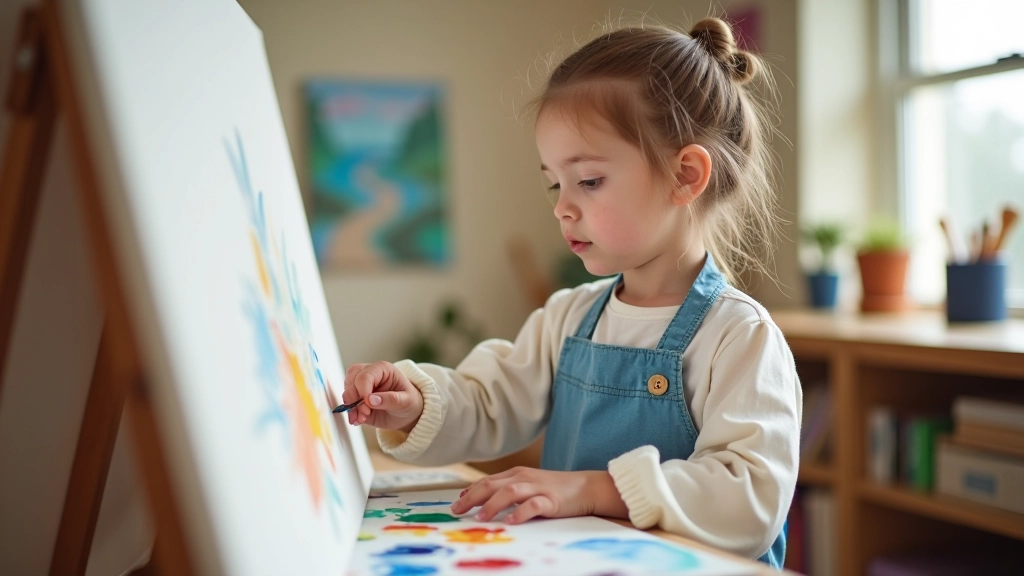
You don't start with advanced projects. The structure matters. Early sessions build foundational skills. Then, carefully, complexity increases. A child masters basic brush control before attempting detailed paintings. They learn fundamental chords before writing songs.
Reflection & Discussion
Doing alone isn't enough. Processing what you've done matters. After completing a project, good hands-on learning includes time to reflect. What worked? What didn't? What would you do differently? This metacognition deepens understanding exponentially.
Meaningful Context
When activities connect to something children care about, engagement skyrockets. A child interested in marine life learns math differently when calculating ocean temperatures. The context makes the learning feel relevant, not abstract.
The Long-Term Impact on Development
What we're really seeing in the research is this: hands-on learning doesn't just improve test scores. It shapes how children approach problems for the rest of their lives. They develop what researchers call "growth mindset" — the belief that abilities can be developed through effort.
"Children who engage regularly in hands-on learning show measurably higher persistence when facing difficult problems, greater willingness to take intellectual risks, and stronger collaborative skills."
— Educational Psychology Review, 2024
By age 12-13, these differences compound. Kids who've spent years in hands-on learning environments approach STEM differently. They approach creative challenges differently. They approach failure differently. Not as something to avoid, but as information.
For parents, this is genuinely important. You're not just signing your child up for a class. You're supporting the development of how they'll learn, think, and approach challenges for decades to come. The stakes are actually higher than they seem.
The Real Takeaway
Research consistently shows us that hands-on learning isn't a luxury add-on. It's how children actually develop deep understanding, lasting confidence, and the resilience they'll need. The science is clear: when kids do things, they learn differently. More thoroughly. More memorably.
Key Points to Remember
- Hands-on learning increases retention rates by 70-80% compared to passive learning
- Physical engagement activates more neural pathways, creating richer memory encoding
- Immediate feedback loops help children understand cause and effect
- Progressive complexity, guided discovery, and reflection deepen learning
- Children develop growth mindset and greater resilience through hands-on experiences
Whether it's STEM workshops, creative arts, reading programmes with interactive components, or any other learning activity — the hands-on element isn't just what makes it fun. It's what makes it actually work. And that's why it matters so much.
Related Articles
Important Note
This article presents educational information about hands-on learning research and methodologies. The information is intended to inform parents and educators about learning approaches supported by research. Individual results vary based on the child, instructor quality, programme structure, and commitment level. This content isn't personalised advice — every child learns differently. For specific guidance about your child's learning needs, consult with educational professionals, teachers, or specialists who understand your child's individual circumstances and abilities.